A new look at a devastating landslide of the 1916 storm–the Jacks Branch debris flow

Note: This post is based on Jule Hubbard’s 2016 article, linked here. It’s a fascinating piece that does an excellent job capturing the human impacts of a notable landslide during the 1916 storm. You should give it a read before continuing…

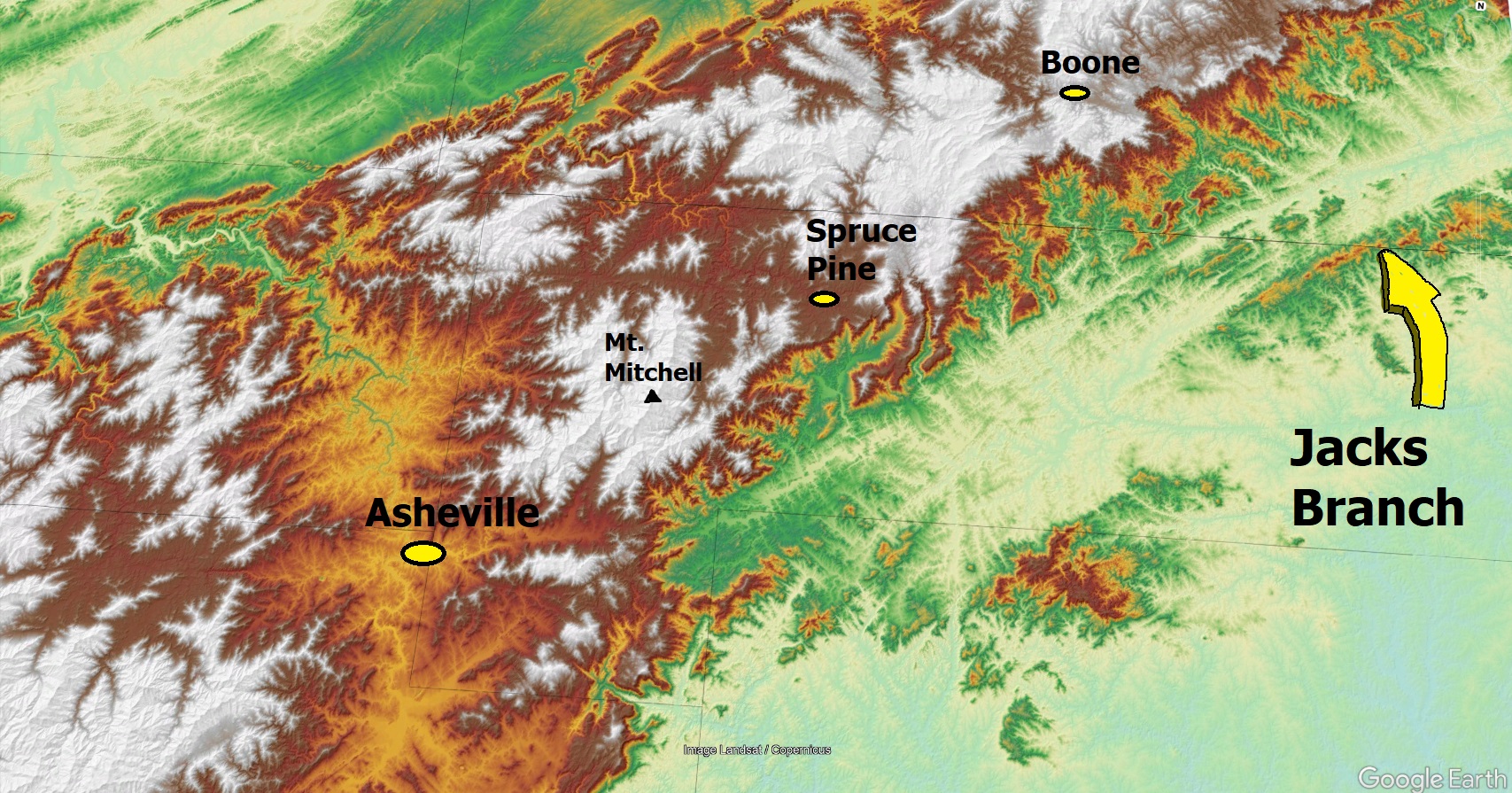
Prior to Helene, landslide geologists in western North Carolina devoted considerable energy towards studying the dual hurricane event of 1916 and the effects of such a “superstorm” on mountain slopes. Useful landslide information from the 1916 storm was–and still is–hard to come by, with stories maintained in relatively local oral traditions often providing the most detailed (and elusive) accounts. Jule Hubbard of the Wilkes Journal-Patriot skillfully developed written and oral records of one 1916 debris flow landslide into a 2016 article, linked at the top of the post. Interestingly, this debris flow occurred on a stream called Jacks Branch in the Brushy Mountains, a smaller range southeast of the Blue Ridge Escarpment and the higher peaks to its northwest.
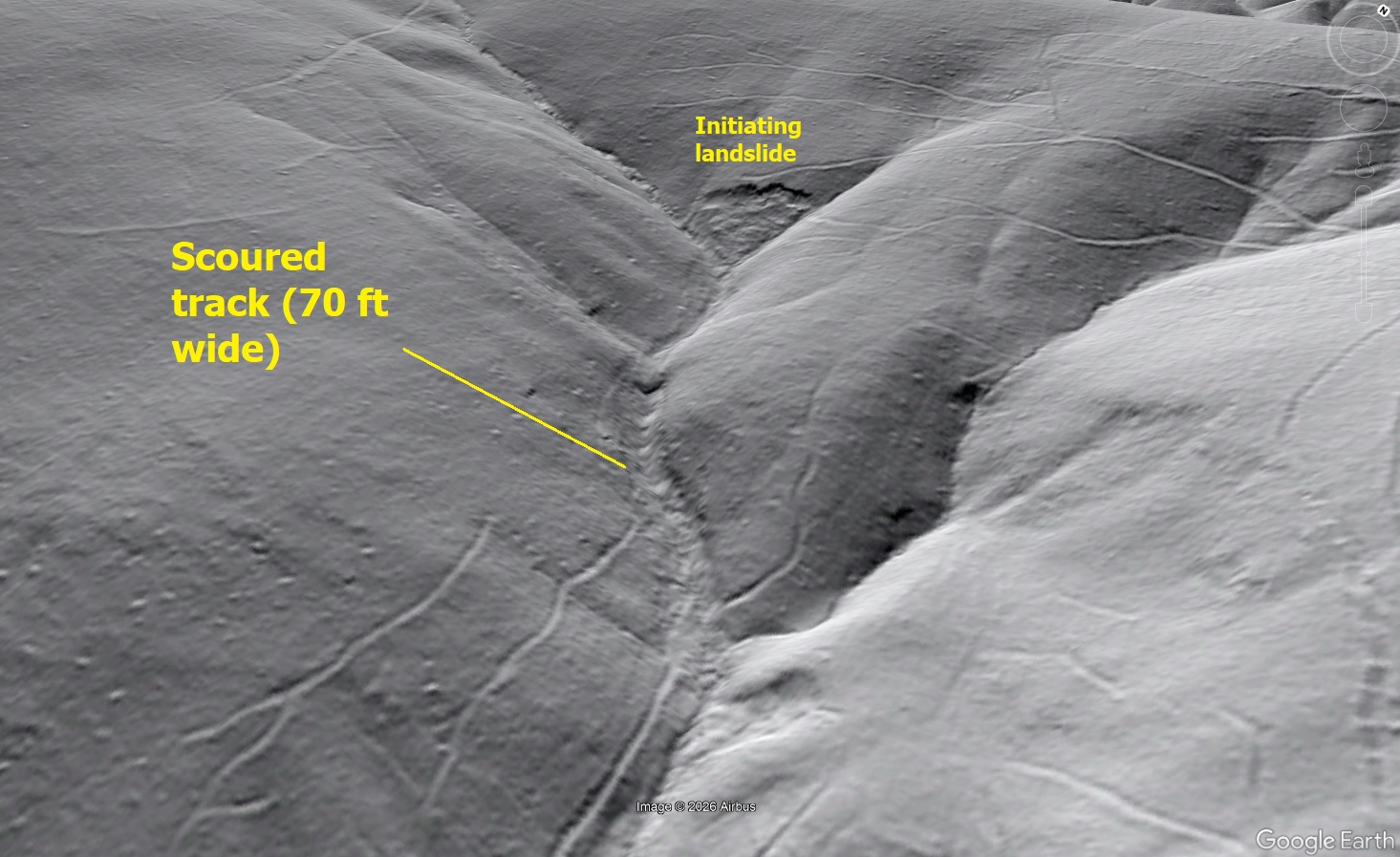
The Jacks Branch debris flow track remains clearly visible today, with significant scour occurring along a steep portion of Jacks Branch just below the initiating landslide.
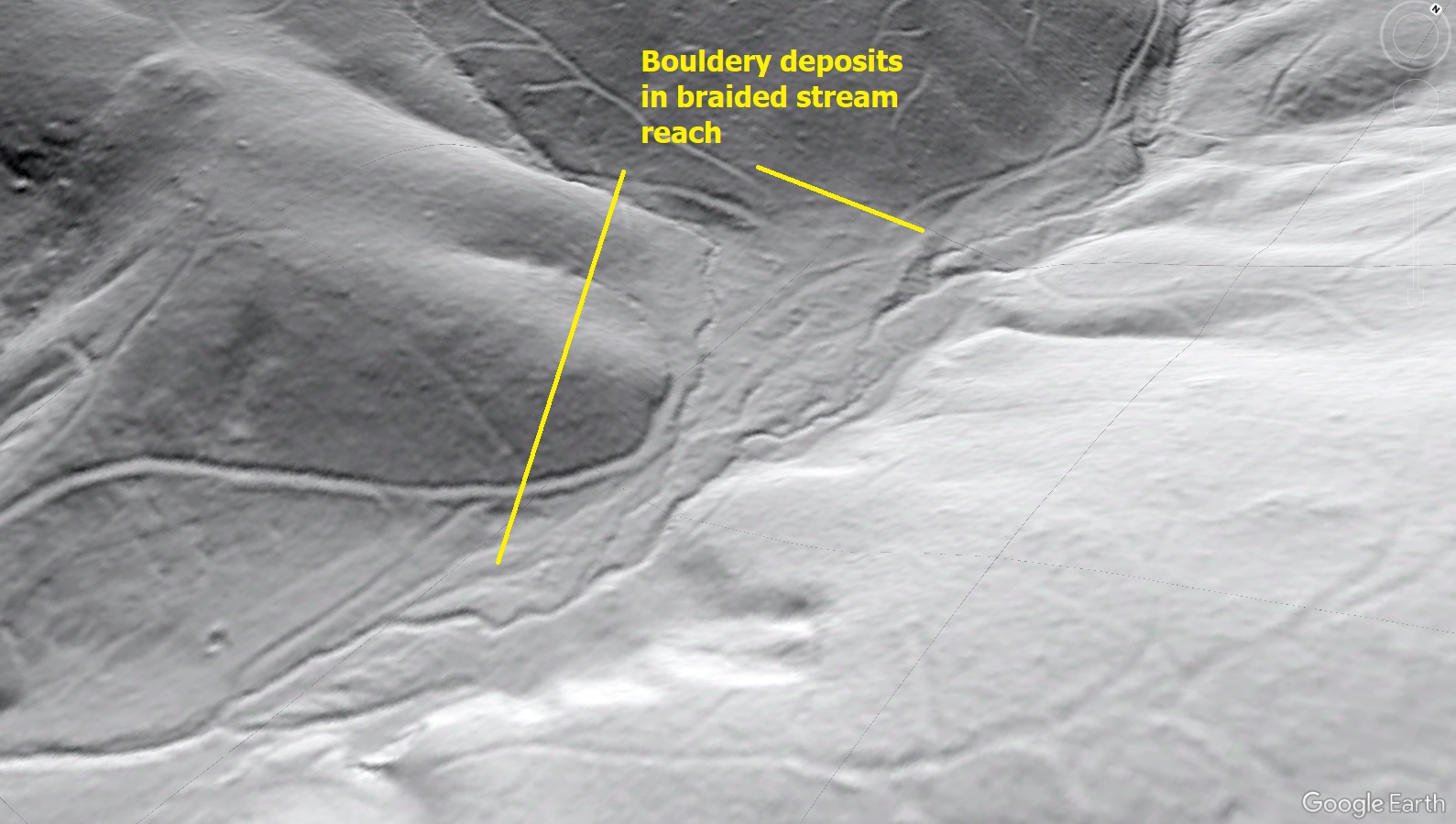
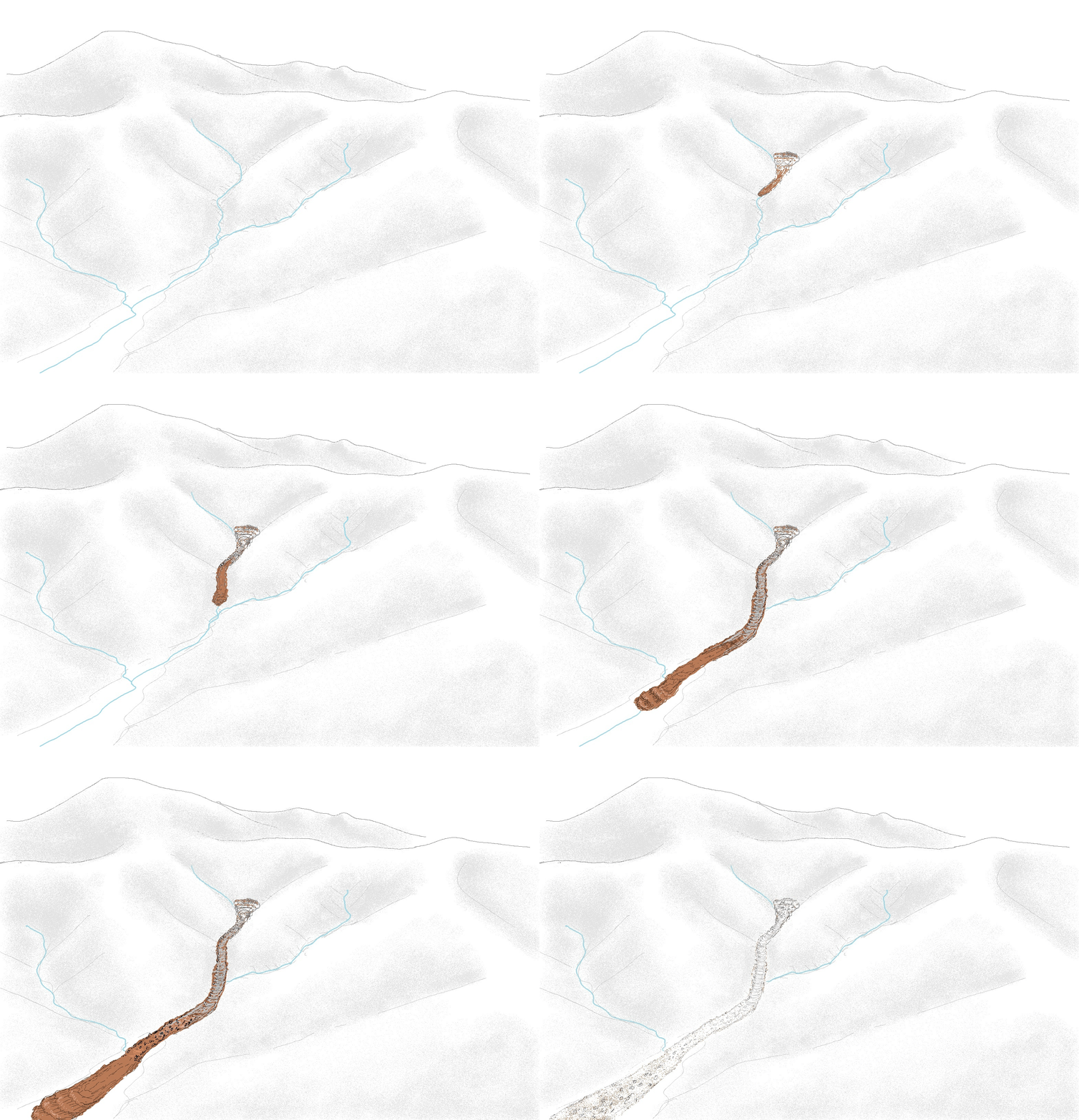
Below the scoured section, Jacks Branch has an almost braided appearance, with deposited boulders visible in 1-meter lidar imagery. The GIF below superimposes a 1/2 mile debris flow runout onto the lidar imagery, per description of the aftermath of the event recorded in 1916.
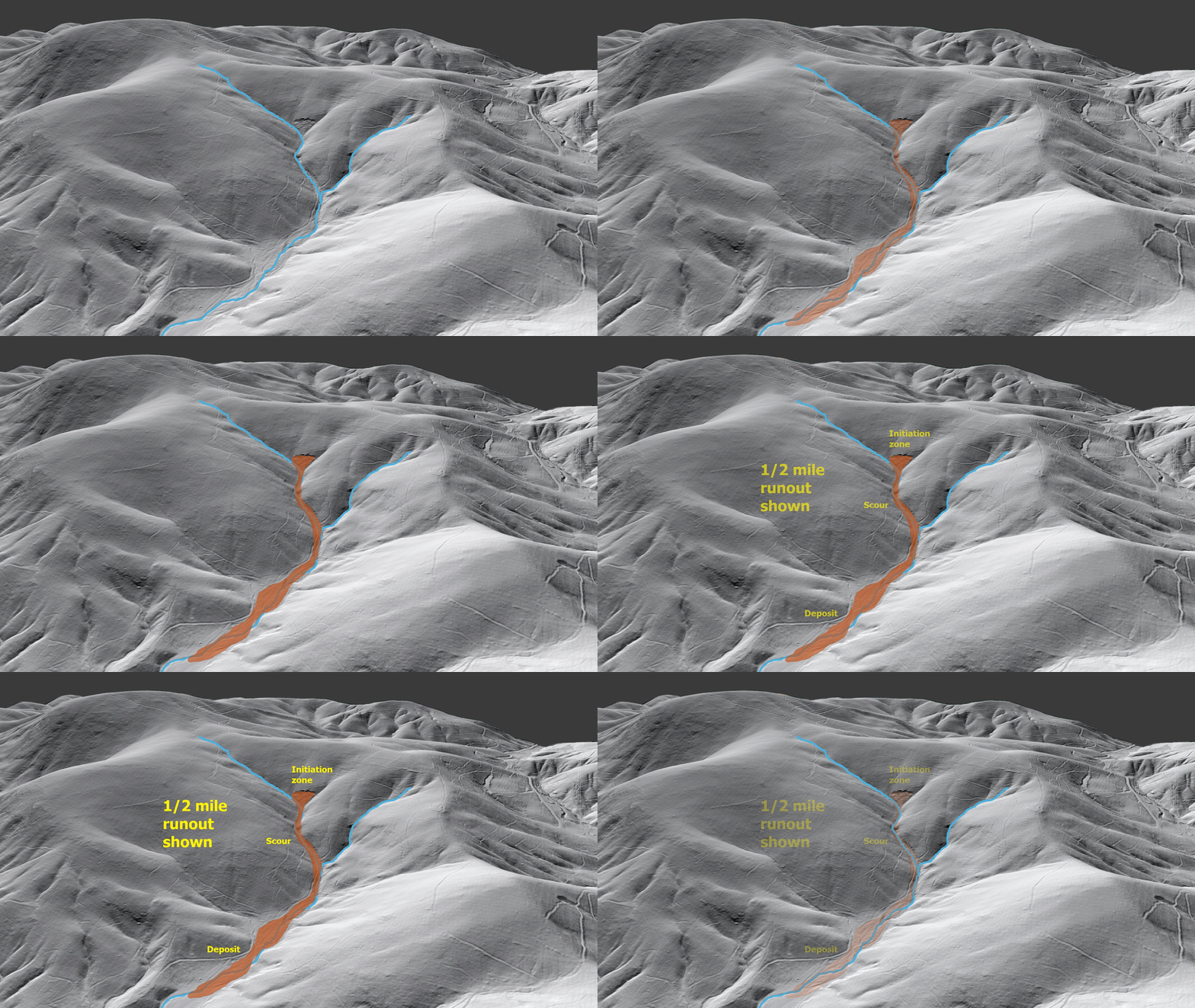
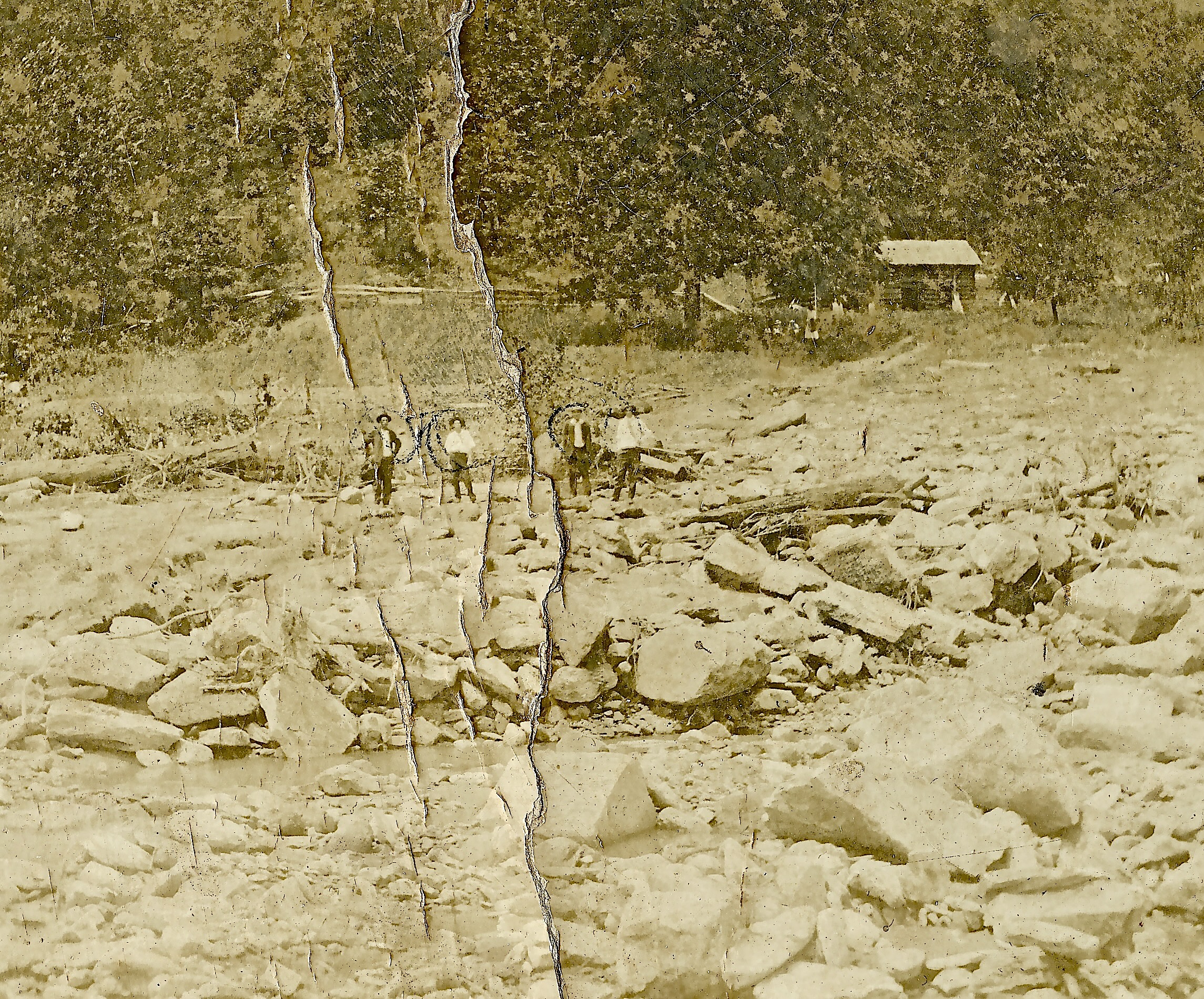
The 1/2 mile length appears to match the end of the braided channel and obvious boulder deposition fairly well, though a large amount of finer sediment likely continued downstream, mixed with floodwater. The lidar image below shows a detail of the bouldery ground surface, and the incredible 1916 photo, courtesy of Ann Loudermilk via Jule Hubbard, shows what the Jacks Branch aftermath looked like.
Locating this debris flow with lidar was initially a bit of a challenge due to the overall shape of the topography and atypical position of the initiating landslide. The scour of the Jacks Branch channel was the most useful identifier, whereas many debris flows of the higher Blue Ridge are first picked out by their initiating landslides within colluvial hollows. In the case of Jacks Branch, as with nearly all Appalachian debris flows, an initiating landslide triggers loading and liquefying of the saturated soil and rock debris along the channel downstream (more on this later). This “feedback” process produced an ever-growing mass of liquefied soil, rock, and trees, scouring the channel and delivering a huge amount of debris to the valley below. This GIF offers a conceptual animation of the process, along with the appearance of the aged and weathered track and deposit as it is seen in lidar imagery today.
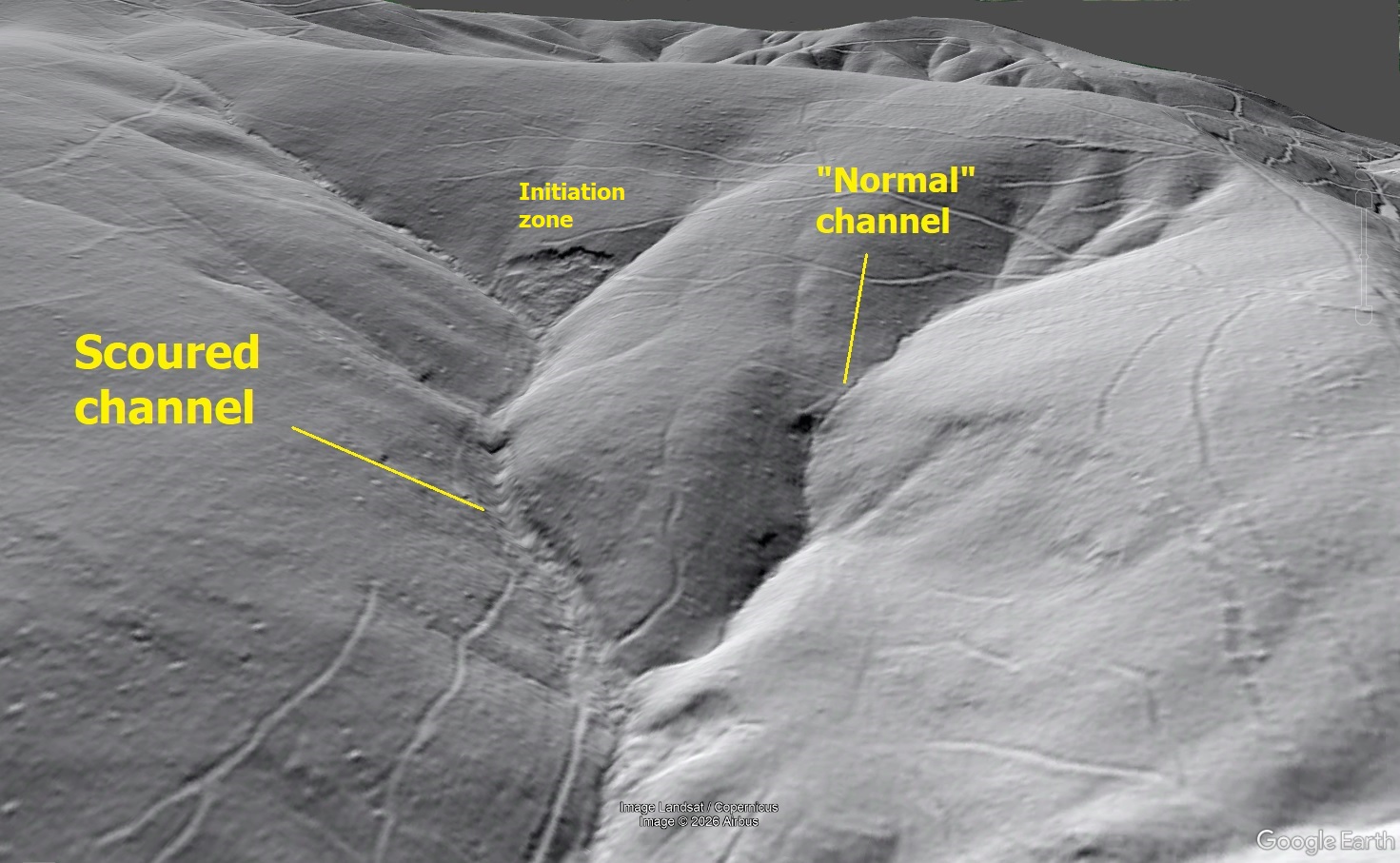
The scoured channel is quite impressive at 70 feet wide, even in the context of debris flows in the higher Blue Ridge that take advantage of longer, steeper slopes. The image below allows comparison of the scoured reach of Jacks Branch to an unaffected headwater stream. Prior to the debris flow, Jacks Branch likely presented a similar appearance.
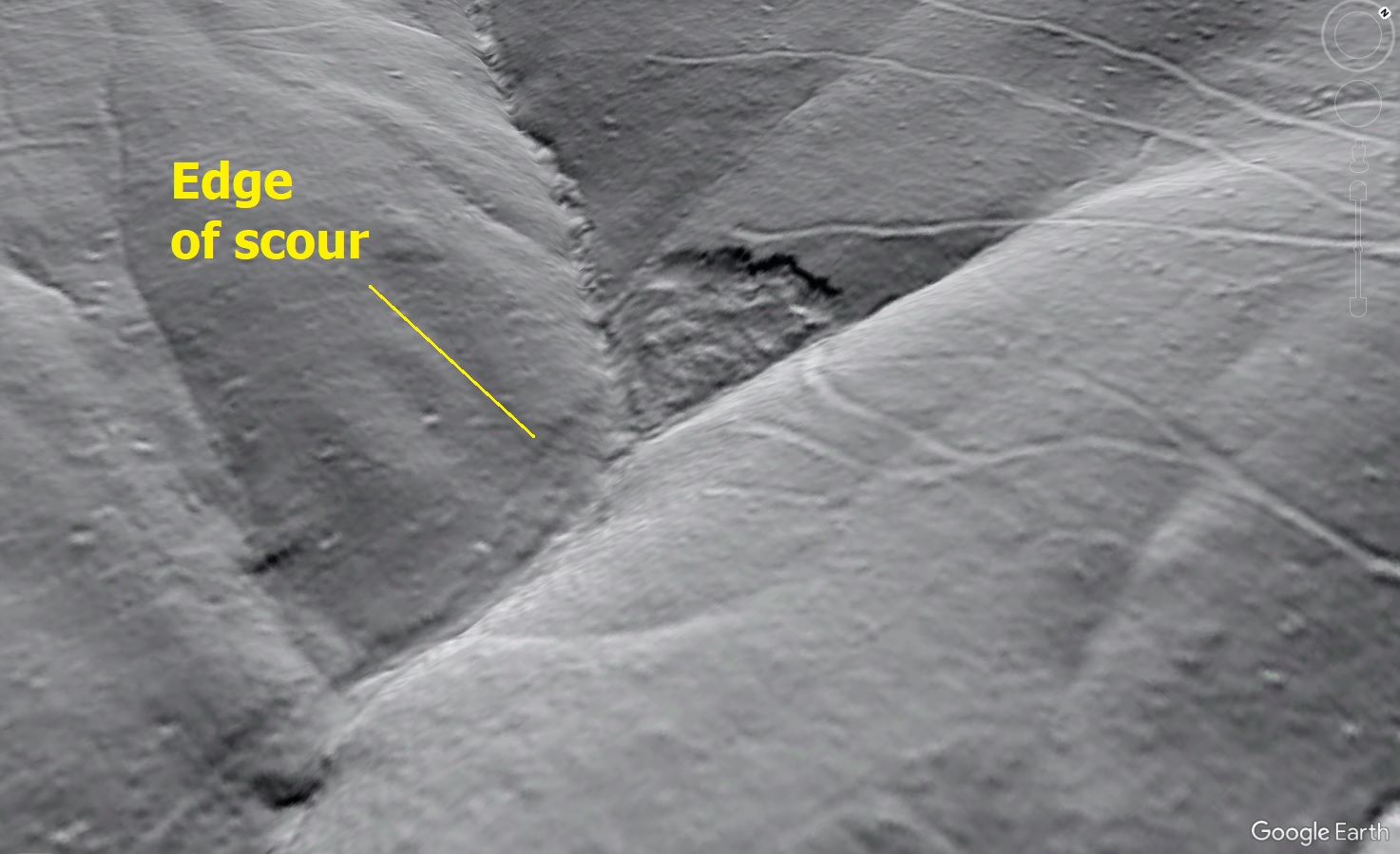
Scour can be seen cutting across the toe of the slope immediately below the initiating landslide.
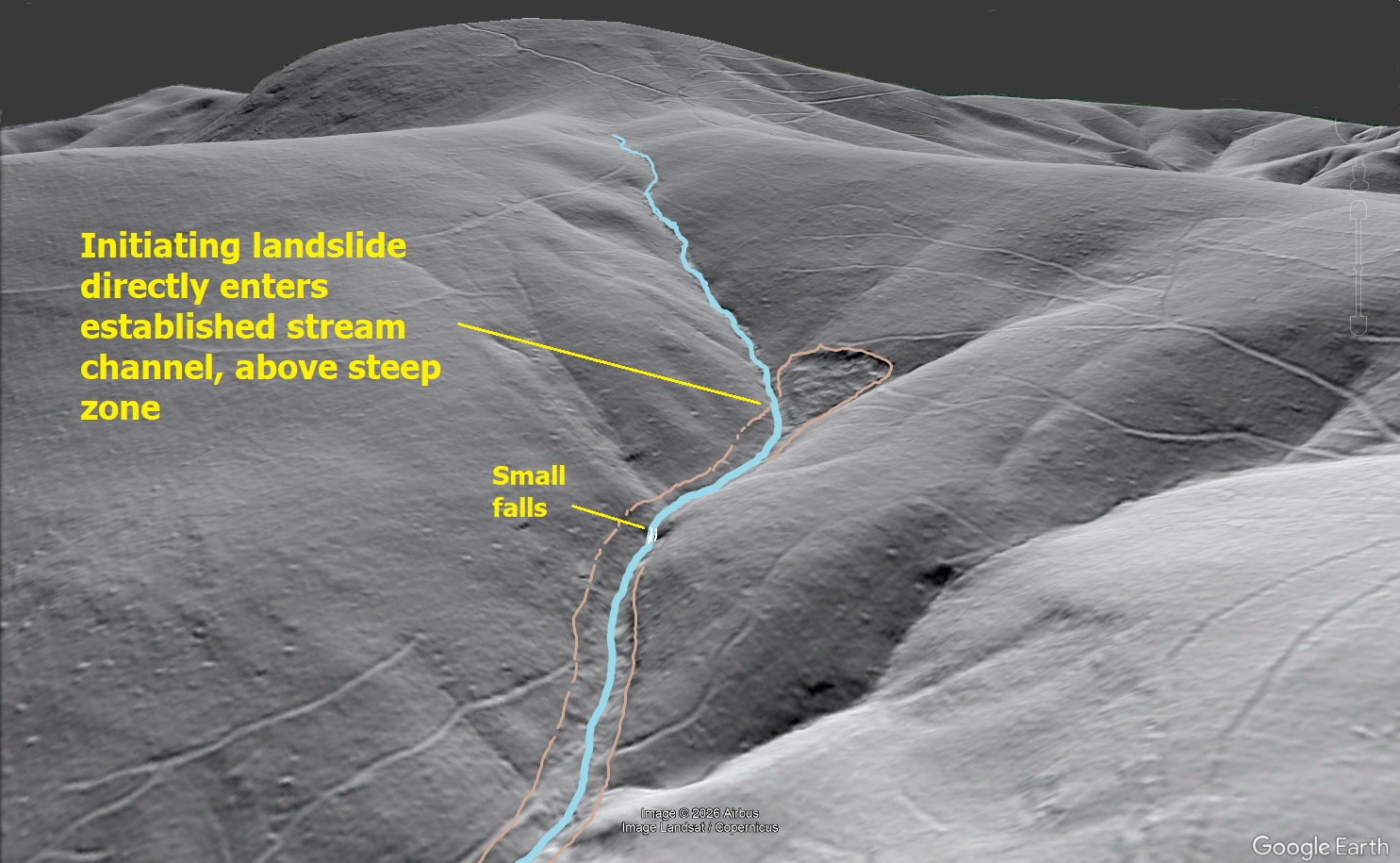
The Jacks Branch debris flow seems large in its scale and runout for the host topography, but we admittedly lack a large number of comparative examples to support such a statement. A notable aspect of the debris flow is that its initiating landslide entered the Jacks Branch channel well below its headwaters, causing the slide to enter an established stream that would have been moving a large amount of water at the time of the slide’s occurrence. Introducing the slide to the high stream flow may have aided liquefaction and mobility, or the slide may have briefly dammed the stream before its lower portions liquefied and initiated the debris flow. This second option may explain why much of the initiating slide is left behind (lumpy area in the image above), as the initiating slide of most debris flows in the region liquefies upon movement and leaves an empty scar. In either case, the flow promptly descended a very steep portion of Jacks Branch, where it gained mass and energy and headed for the valley below.
One detail that is lost to history (and can’t be answered from lidar imagery) is where the Russell cabin was located. One of Jule’s sources indicated that the cabin was located “on the mountain,” and not in the defined flat valley below. Somewhere near the confluence of the streams near bottom center of the image above is likely a reasonable location. The Russells obviously were not thinking about debris flows when they built or first occupied their cabin, and Jacks Branch or its tributary probably seemed too small to ever present a flood risk. I superimposed ALC’s Susceptibility onto the Jacks Branch area to see what we might say about building in this landscape today, given its distinctions from the high Blue Ridge. Areas where debris flows could potentially initiate (purple) do occur through the Jacks Branch basin, though in a somewhat different pattern from more rugged Blue Ridge landscapes. The Jacks Branch debris flow is outlined in brown.
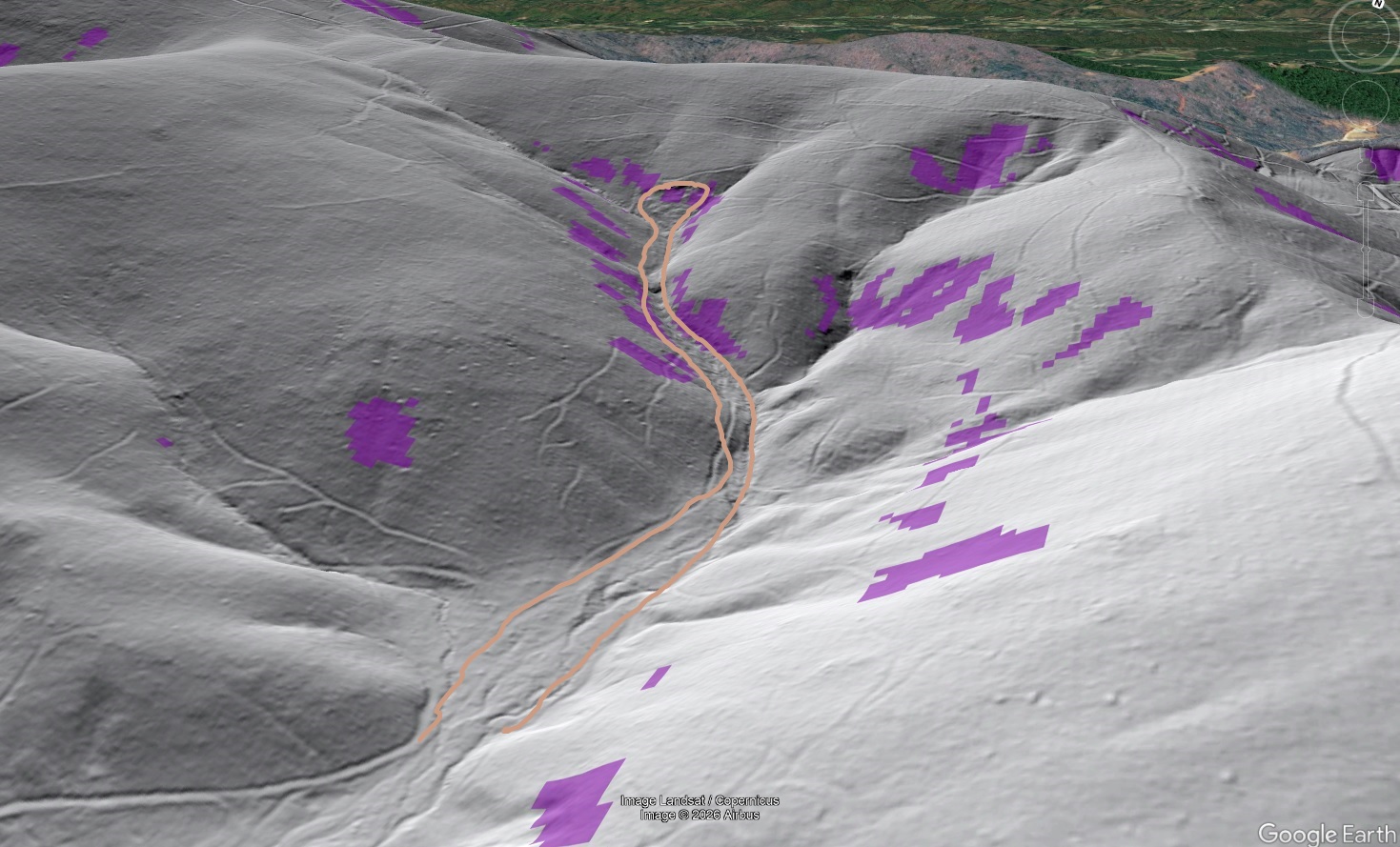
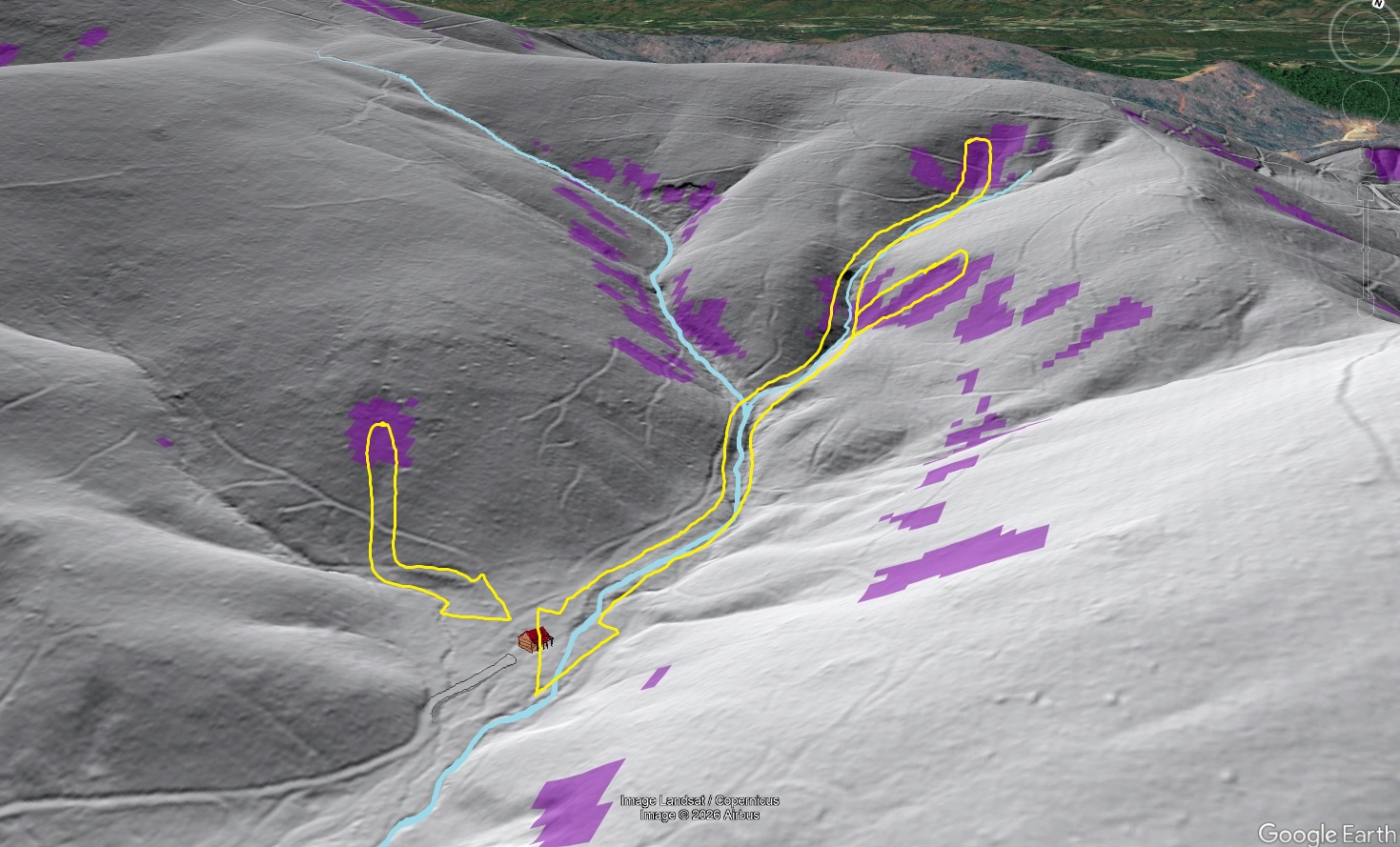
While this drainage basin is significantly less purple than many we look at, hazard areas are present, and debris flows initiating in them would follow the locally quite steep channels to the valley below. My pick for hazard the area shown above would be east (to the right of) Jacks Branch, in the steep, high hollows of the Jacks Branch tributary. A debris flow initiating there would ultimately end up in the same place as the 1916 debris flow, on the flat, deposit-filled valley below. While the flat valley area represents attractive, buildable topography that feels protected by the mountains, it’s quite vulnerable to debris flows during extreme weather conditions. The yellow arrows below show only a few of the possible debris flow pathways.
The Jacks Branch story is a valuable piece of history and an important lesson about steep slopes and extreme storms in the region. Huge mountains aren’t necessary for big landslide issues, particularly when rainfall and widespread soil saturation is sufficient to trigger debris flows. Debris flows tend to occupy MUCH larger widths than even the worst floods on the small streams they follow, leading to unbelievable aftermaths that suggest an impossibly huge “river of mud of rocks” suddenly appeared in a tiny valley. Linney’s account in the linked article communicates this idea very clearly. Avoiding the worst-case water flood on a small mountain stream isn’t enough if debris flow-prone topography is upstream.
Many similar stories undoubtedly exist in the region, and they all have their place in improving landslide awareness when the next “big one” hits, whether it is a tropical system or a one-off stationary thunderstorm. Anyone living in the mountains should take time to determine landslide hazard at their property and have a plan in place for when the “5 inches in 24 hours” threshold is likely to be exceeded.
The undeniable value of landslide risk assessment

Landslides (and particularly debris flows) aren’t a daily occurrence in western North Carolina, so knowledge of the landslide risk of a specific property may not always seem important. A few years ago, ALC advised a client against purchase of a high-risk property located in an area that, at the time, seemed quite safe and desirable for a mountain home. The risk potential of the property turned into devastating reality during Helene, and a significant loss was avoided thanks to the pre-purchase site evaluation and subsequent decision to buy and build elsewhere. The locations and images of the impacted property are described in this post with the client’s permission. Her experience is noted in a Garden and Gun article linked here.

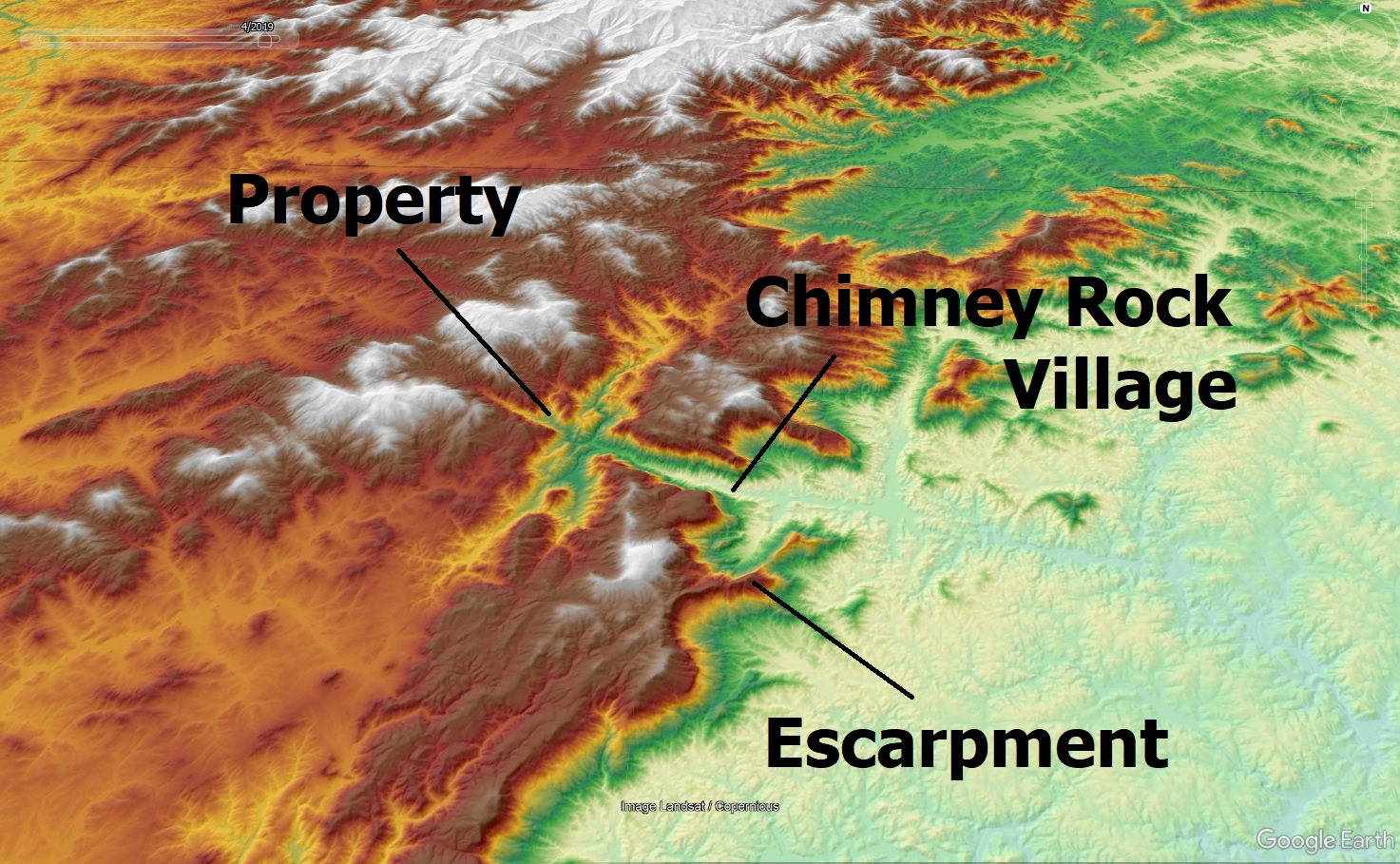
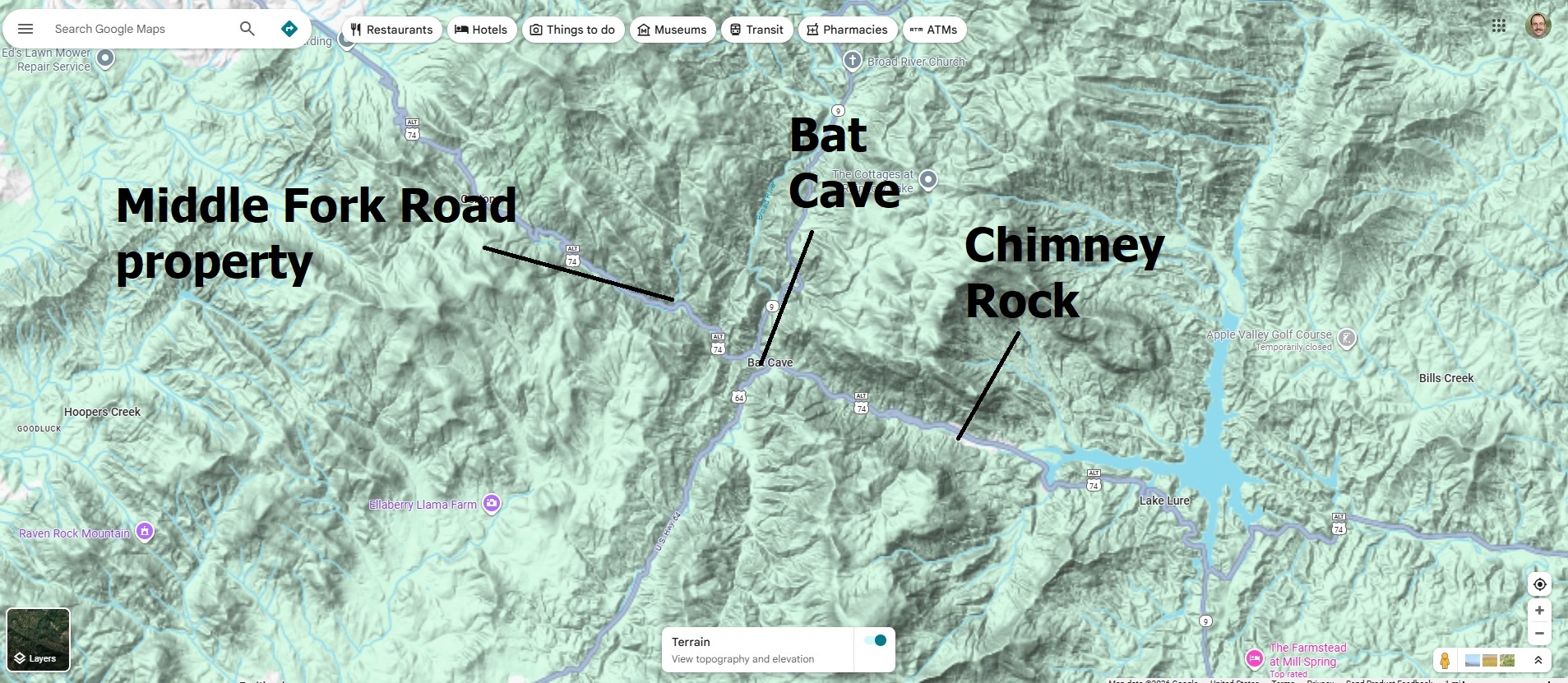
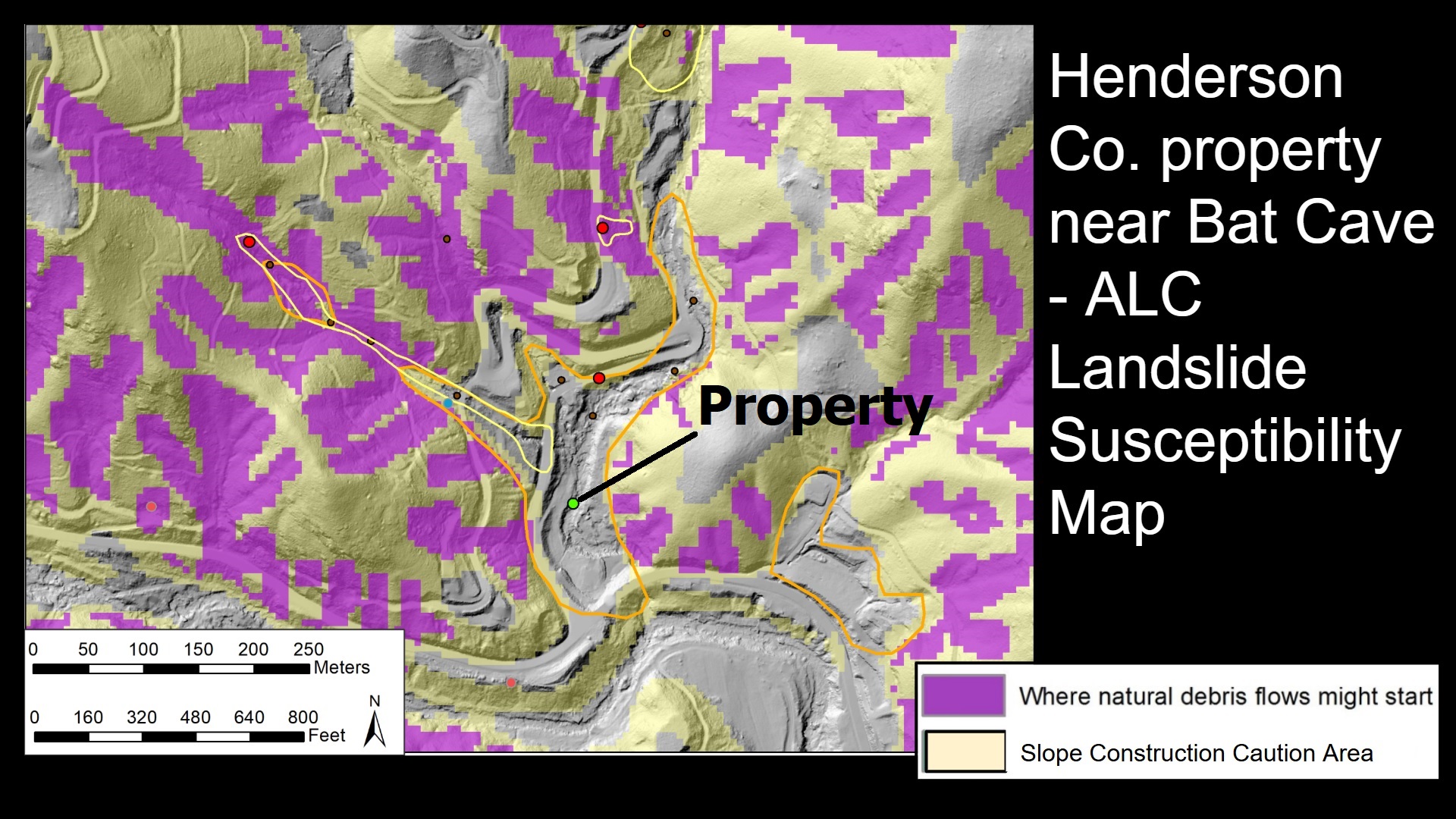
The impacted property is located immediately adjacent to Middle Fork, a tributary to Hickory Creek just upstream of Bat Cave, North Carolina.

The location raised immediate concern during ALC’s evaluation because of the property’s potential to be impacted by both debris flows and flash flooding. A known debris flow occurred just northwest of the property (yellow outline below), nearly reaching it. The property itself is located in mapped landslide deposits (orange outline), and numerous potential debris flow initiation areas (purple) were identified upstream of the location by ALC’s Susceptibility Model.

Debris flows are exceedingly mobile and can transition into more flood-like features as they travel down streams and mix with runoff, extending considerably the potential reach of debris flow hazards from potential source areas. Even without landslides that develop into debris flows, the potential for flash flood impact on the property was significant. The property is located on a streambank in a small gorge in the Blue Ridge Escarpment Zone, where topography can force air masses to rise and produce extreme localized rainfall.

This rainfall, combined with the steep topography, quickly makes normally tiny streams very dangerous. The location in question would, eventually, see the effects of an extreme storm event. The only question was when this would happen.

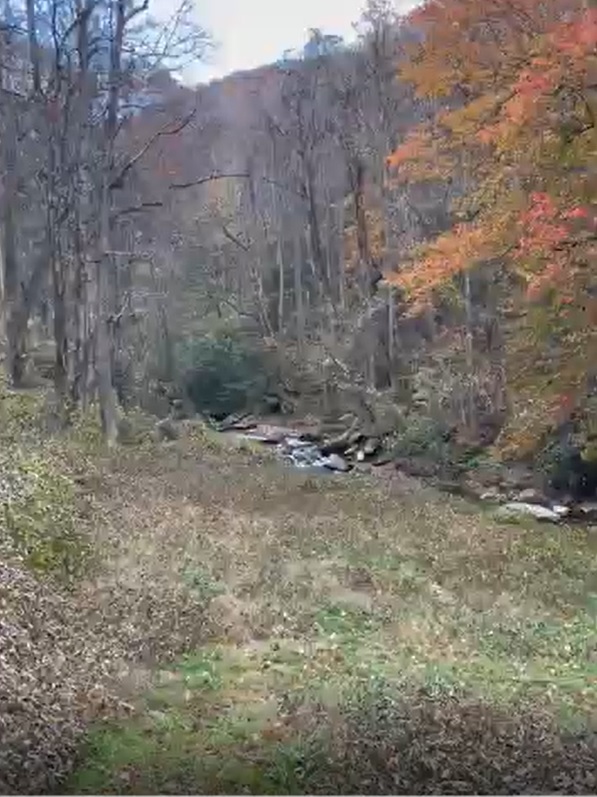
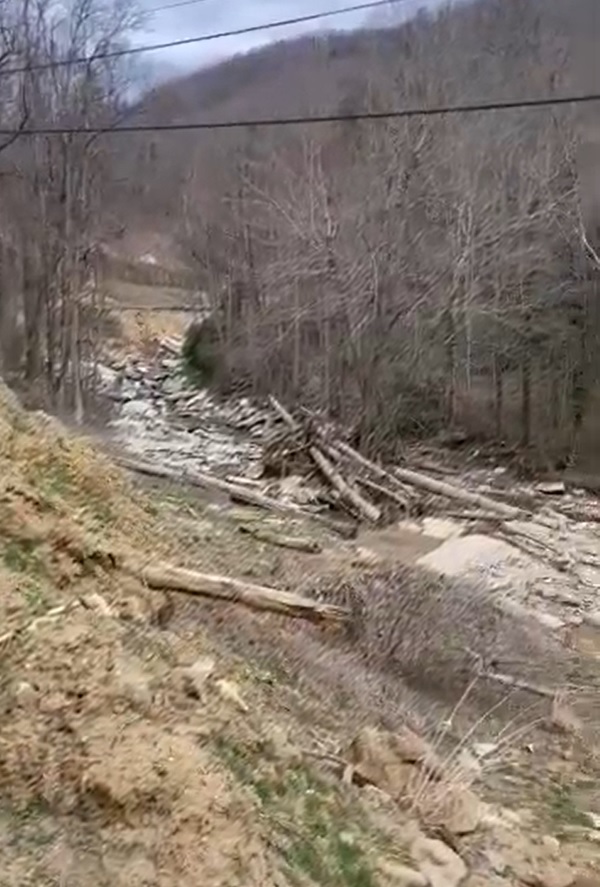
ALC recommended that the client seek another property for house construction. The streamside, off-the-beaten-path location was indeed desirable, but the potential for severe impact across the entirety of the property was too great. While the Middle Fork property could have daytime recreational value, living (particularly sleeping) there and investing in a structure on the site was too great a risk. In September 2024, Helene showed just what that risk looked like. The top image shows the site before Helene; the bottom image is the same view after the storm.

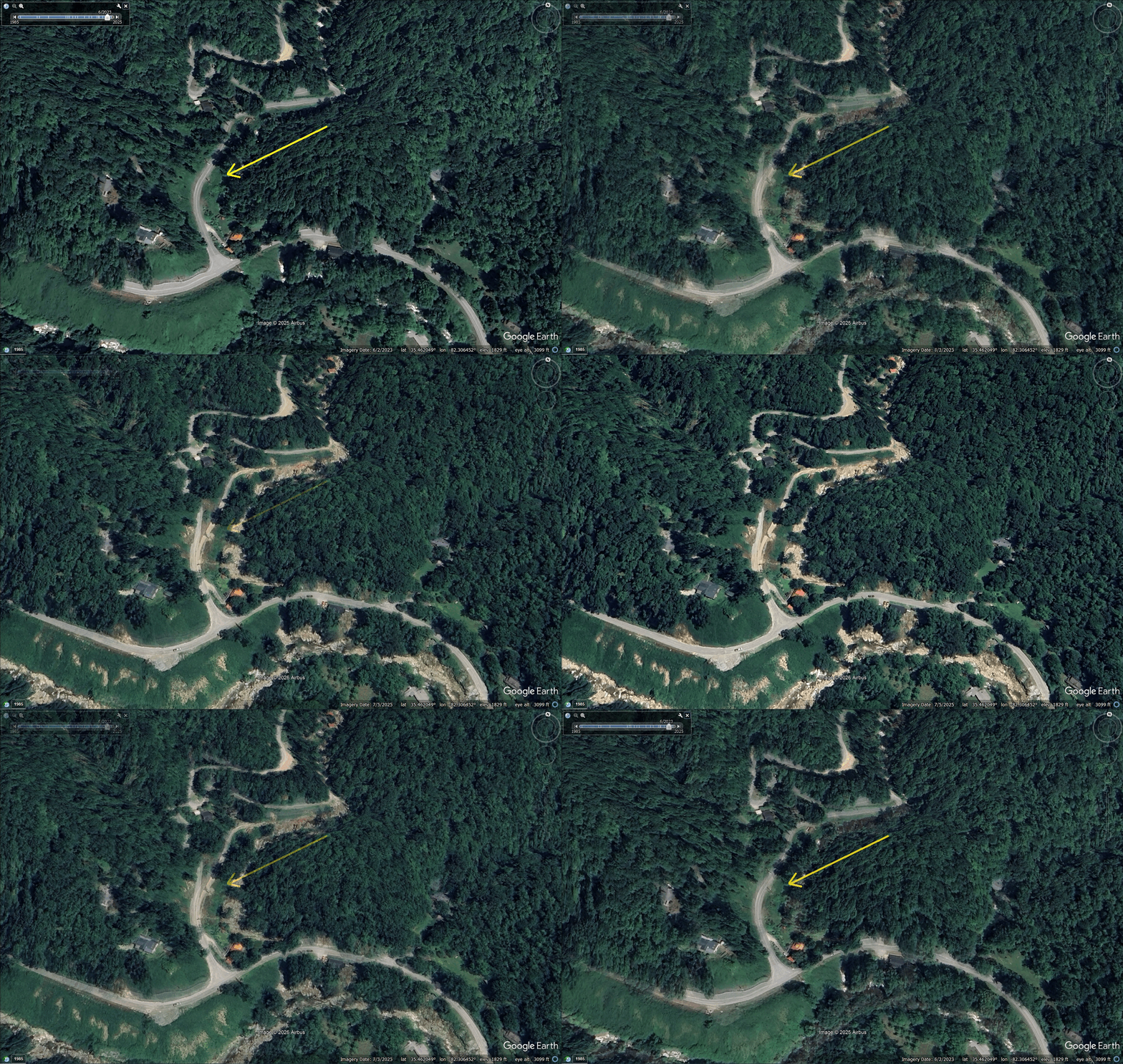
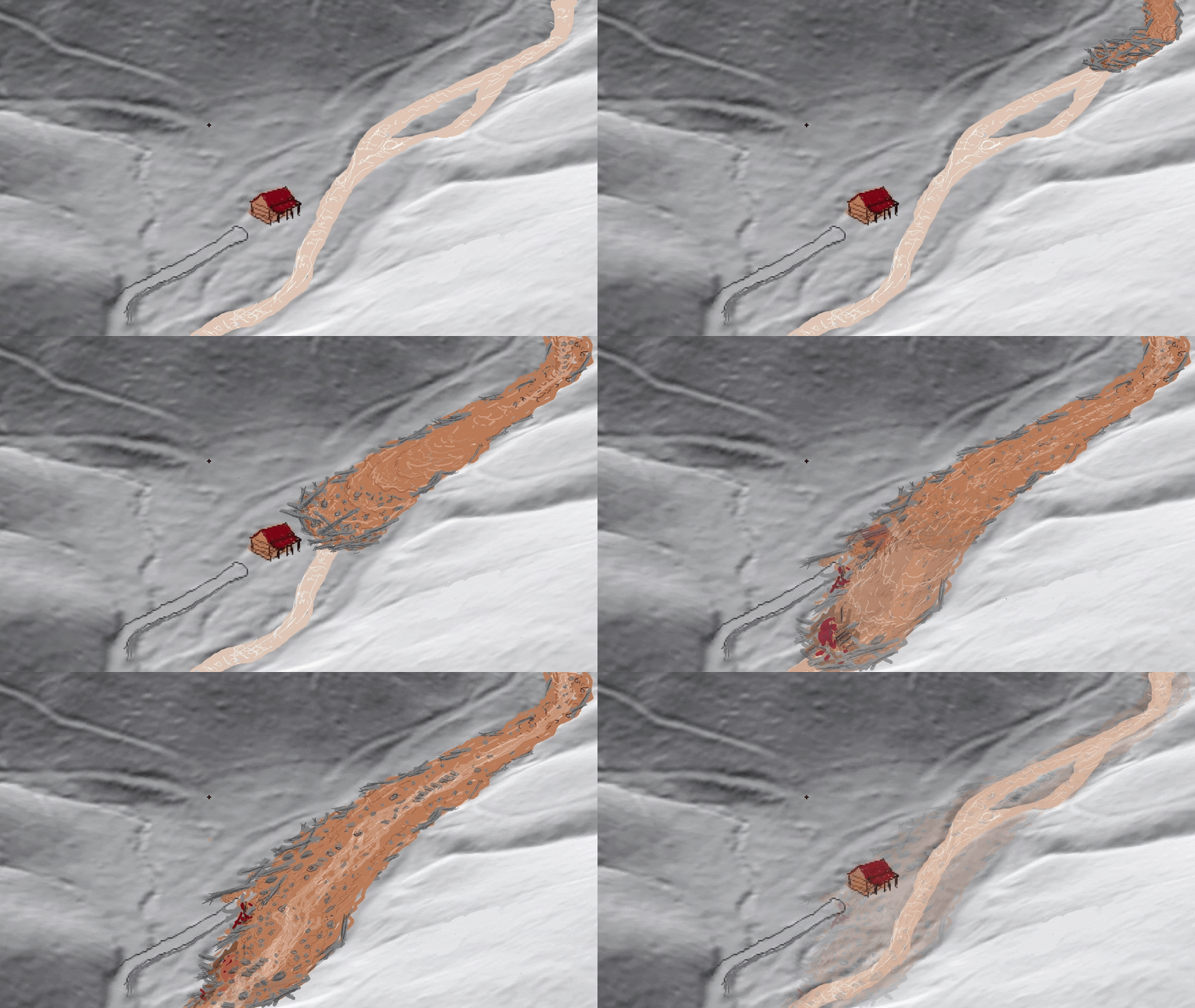
Both significant debris flow events and record flooding affected Middle Fork, scouring the property and leaving enormous piles of debris behind, including huge, mature trees mobilized by debris flows and floodwaters. A structure on the property would have been a total loss, and anyone inside during the peak of Helene’s impacts would have faced serious injury or death. The GIF below compares pre-Helene, 2023 imagery to post-Helene imagery. The property location is shown by the large yellow arrow.

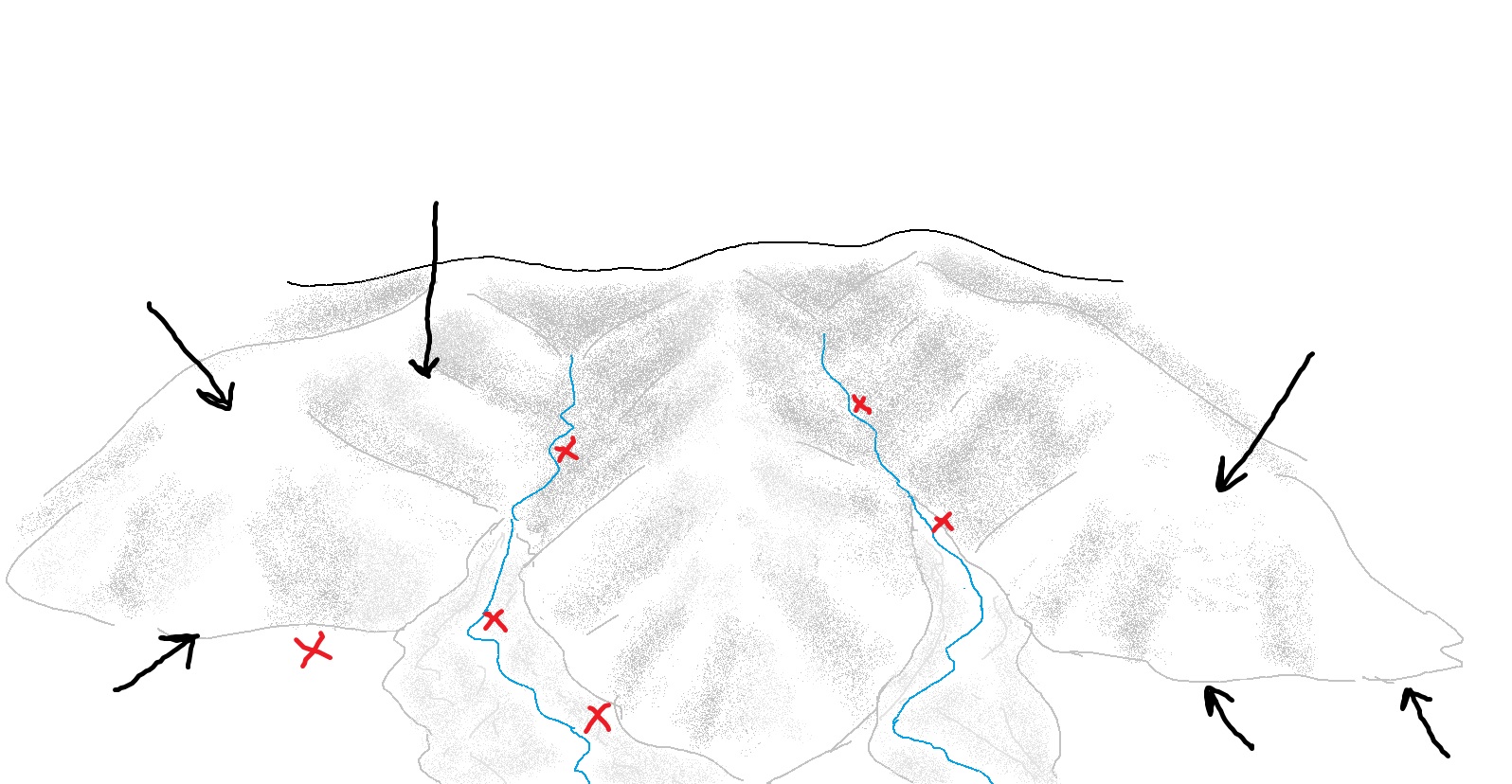
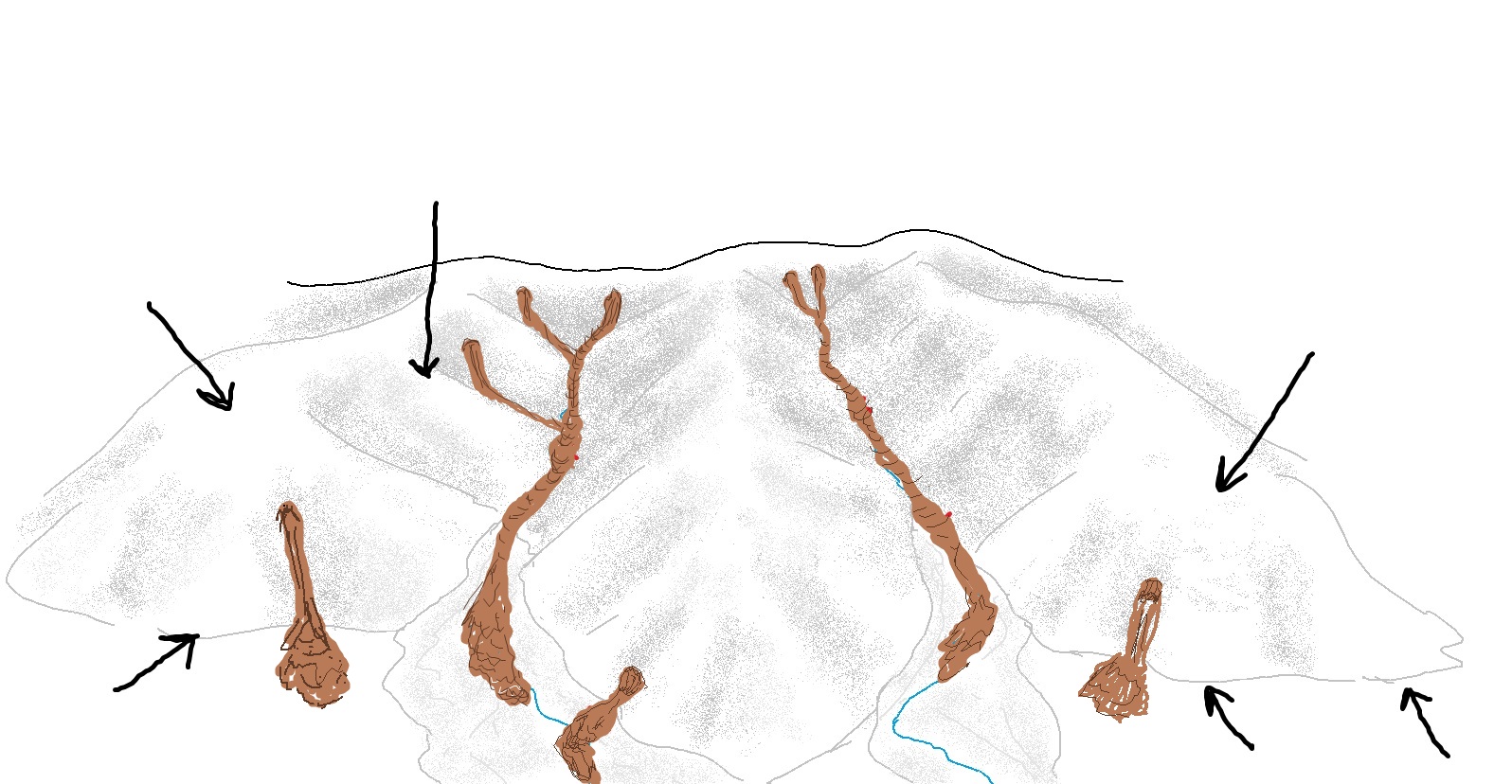
Fortunately, the client heeded ALC’s recommendation and purchased well-situated property in Yancey County, which avoided damage due to its position within the landscape despite Helene’s catastrophic impacts in Yancey. The hazard potential on both the selected Yancey property and the Middle Fork property were evaluated remotely–simply looking at detailed topographic maps, lidar imagery, and records of past debris flow events painted a clear picture to geologists with years of experience in the region. In this case, the return on investment in the evaluation was quite significant, with the client able to avoid a major loss and instead devote resources towards a property in a more stable and resilient location. The fundamental concept behind this type of evaluation is being able to read the landscape shape and history and visualize impact potential. The images below illustrate the concept. Black arrows show locations where convex slopes (and often elevation) steer debris flow and flood hazard away; red X’s are in areas to which debris flow and flood hazards are directed by landscape shape.

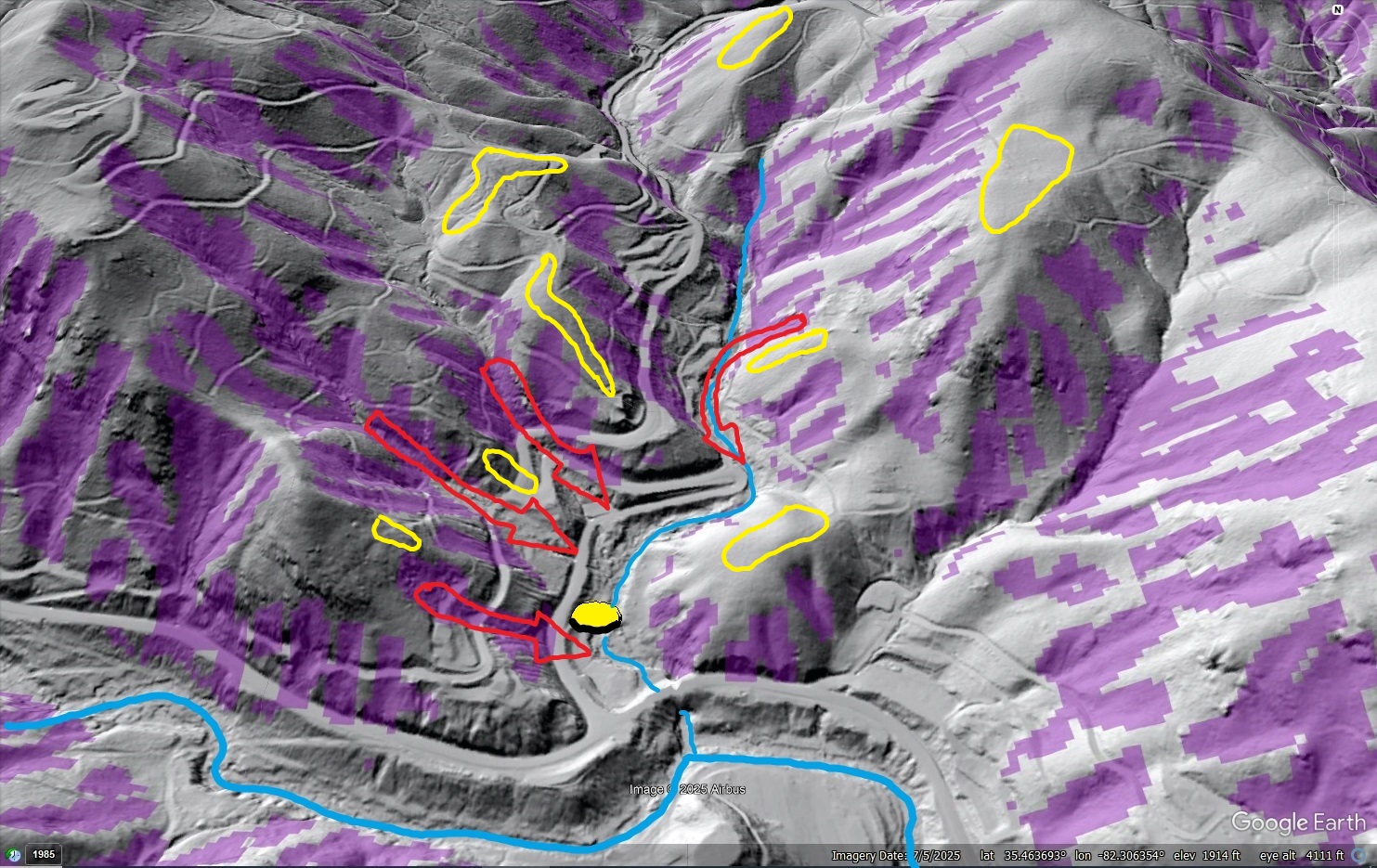
Landslide risk evaluations aren’t meant to show that entire regions are unsafe for building and living. Because debris flows and floods follow the terrain as fluids (water and liquefied soil both run downhill), their potential impact zones are limited. Even along Middle Fork, numerous safe and livable areas exist along convex portions of the landscape that shed flowing material instead of focusing it. Yellow outlines in the image below show examples of these areas–in this topography, they are noticeably on ridge tops and “noses” of slopes. That said, road networks to access those safe areas are still vulnerable, and anyone choosing to live in them should be aware that access may be difficult or impossible after a major event. Even areas with landslide and flood hazard have conservation and recreation potential, though they should not be disturbed by development and must be avoided during hazardous weather.

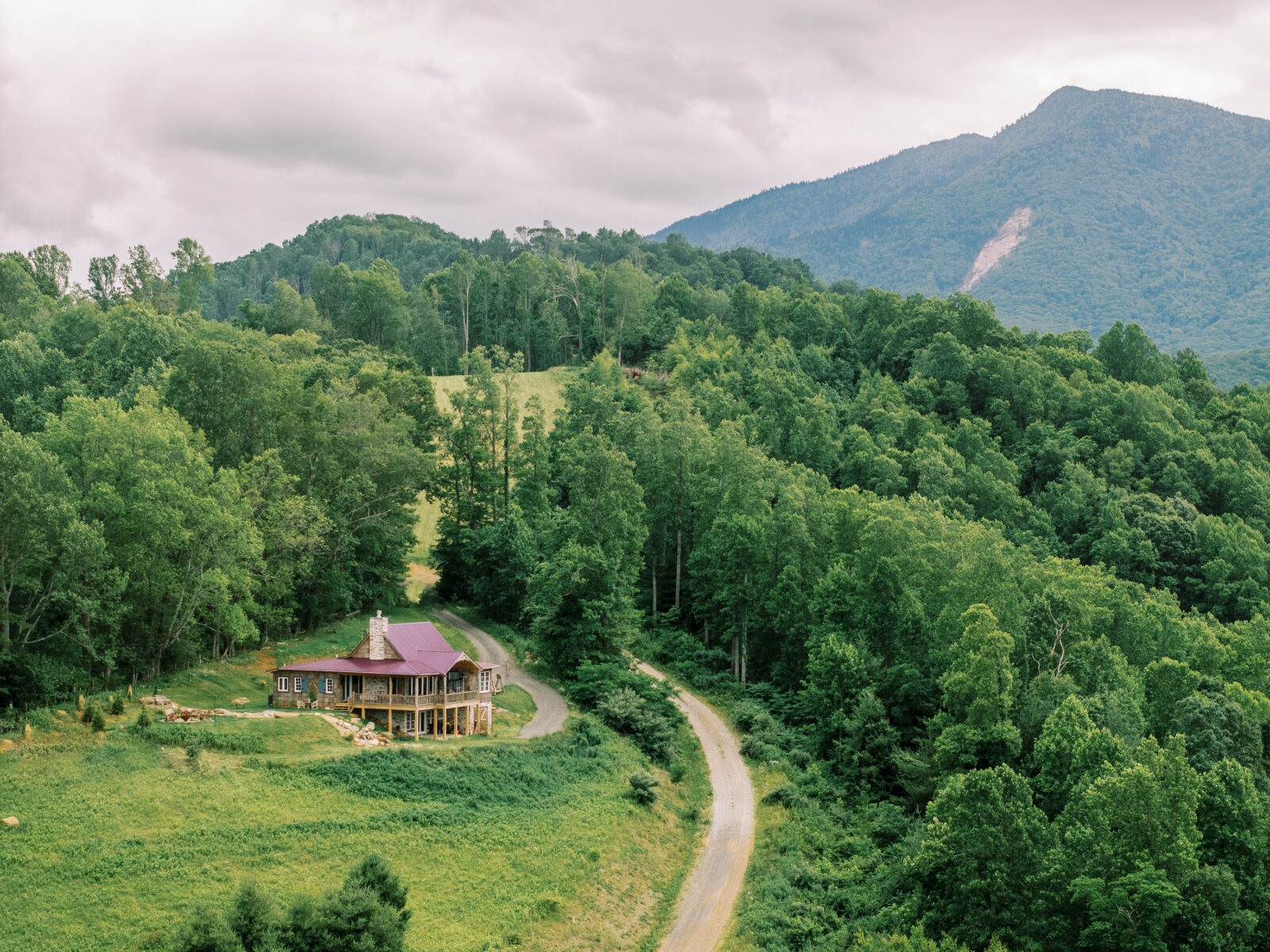
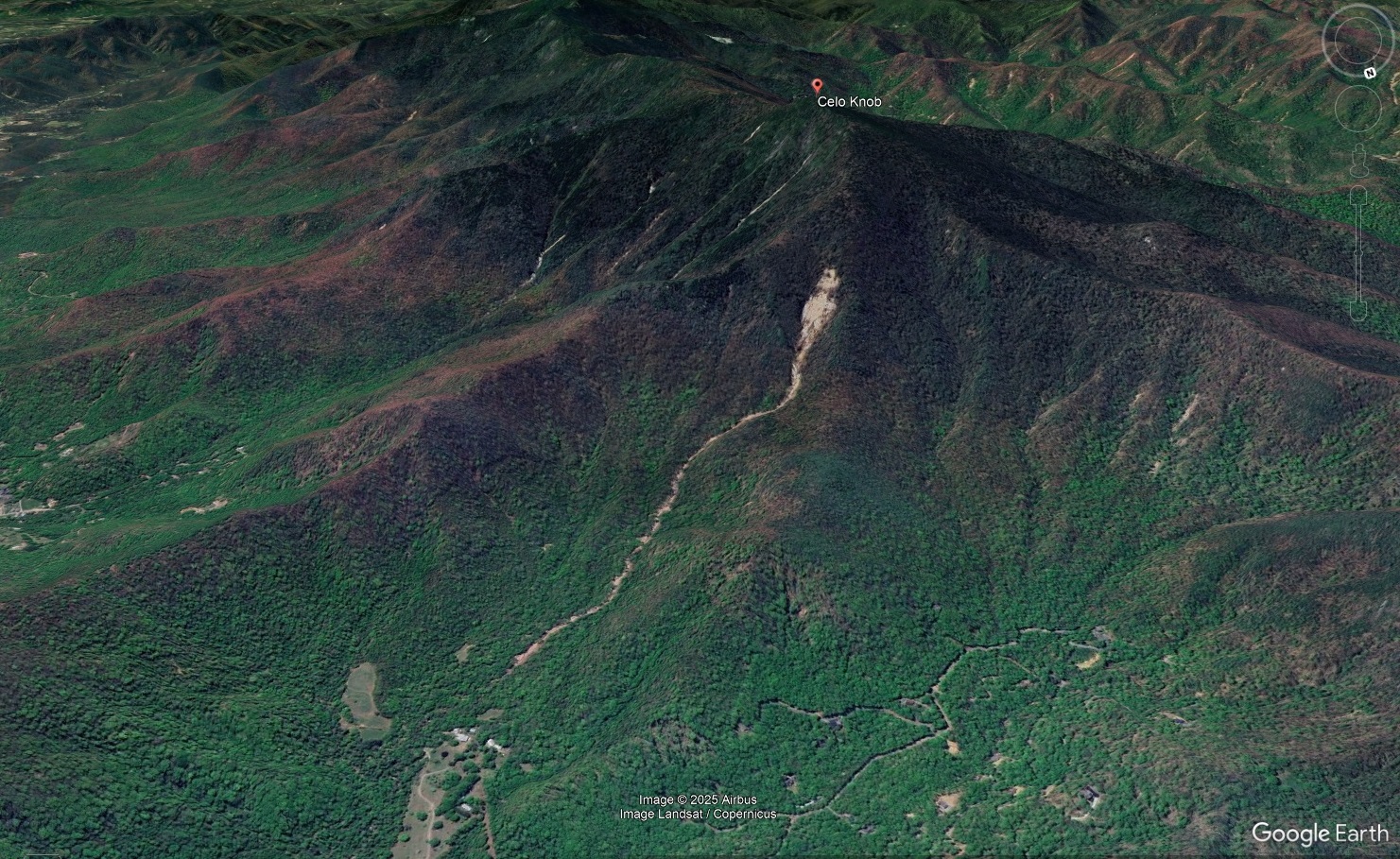
Interestingly, the Garden and Gun article inadvertently showcases another notable Helene event: the Celo Knob debris flow, which might have left the largest single scar (in terms of surface area) of any debris flow during the storm. The scar is visible in the background of the image below, which is from the article.

The clearly visible scar is 330 feet wide and 700 feet long from head to toe. The flow carved a nearly 5,000 foot long track down the mountain before running out of energy. The house visible near the terminus of the debris flow is somewhat above and away from the channel followed by the flow. It is uncertain whether the house could be impacted in a “worst case” debris flow event, or if such an event is even possible in the near future since so much material already moved. The scar of this huge debris is yet another valuable reminder of the importance of knowing what can happen under the right (or wrong!) conditions.

The 1847 debris flow event in Clay County, North Carolina shows crazy storms aren’t a new thing for the region

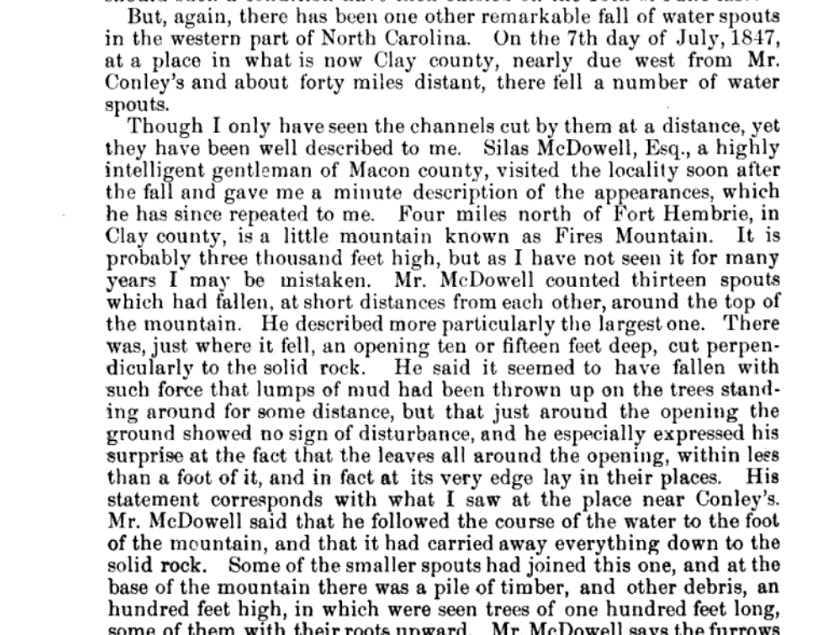
Seeing the results of past extreme storms in a region is an important part of understanding potential landscape behavior. Thomas L. Clingman (yes, that Clingman) provides an invaluable record of a couple of past storm events in his extensive writings about western North Carolina. His discussion of the results of a storm of July 7th, 1847, in Clay County is particularly interesting. The document is linked here, but the excerpt below contains the important parts found on page 76 of the document. Anyone that saw the effects of a Helene debris flow will quickly recognize exactly what Silas McDowell described to Clingman.

McDowell was very clearly describing debris flows to Clingman (not “waterspouts” as we use the term today), and Fires Creek Mountain was obviously hit with an impressive cluster of them during this storm. Because debris flows visibly scar the landscape, could a geologist still see the effects of the storm on Fires Creek Mountain nearly 180 years later? I took a stab at this a few months ago, and I was impressed at how well the combination of Clingman’s notes and 21st century lidar imagery worked together.

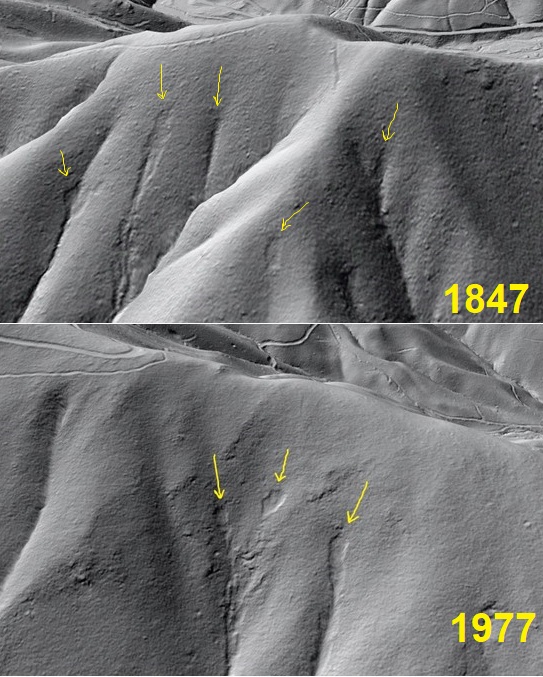
If you want to go looking for 180 year old debris flows, you need to know what sort of scars you might be looking for on mountainsides. An effective way to do this is to examine the lidar-visible scars of known debris flow events. The November 1977 storm produced quite a few debris flows southwest of Asheville in the Bent Creek area. These were captured in 1982 aerial photography when their scars were still visible in the forested landscape. These air photos can be matched to lidar imagery to directly confirm what debris flow scars look like in the landscape. The GIFs below show this process, with yellow arrows indicating the upslope starting points (initiation zones) of the debris flows.

Debris flows like these begin as an initial landslide, producing a distinct scar in the landscape with steep, sharp edges where the slide began. This scar transitions into a visibly scoured track where the debris flow rakes saturated soil from the slope in its path, adding to the flow’s mass. The GIF below gives a general idea of this starting process and the scar that it makes, from the initial slide to the early phases of scour.

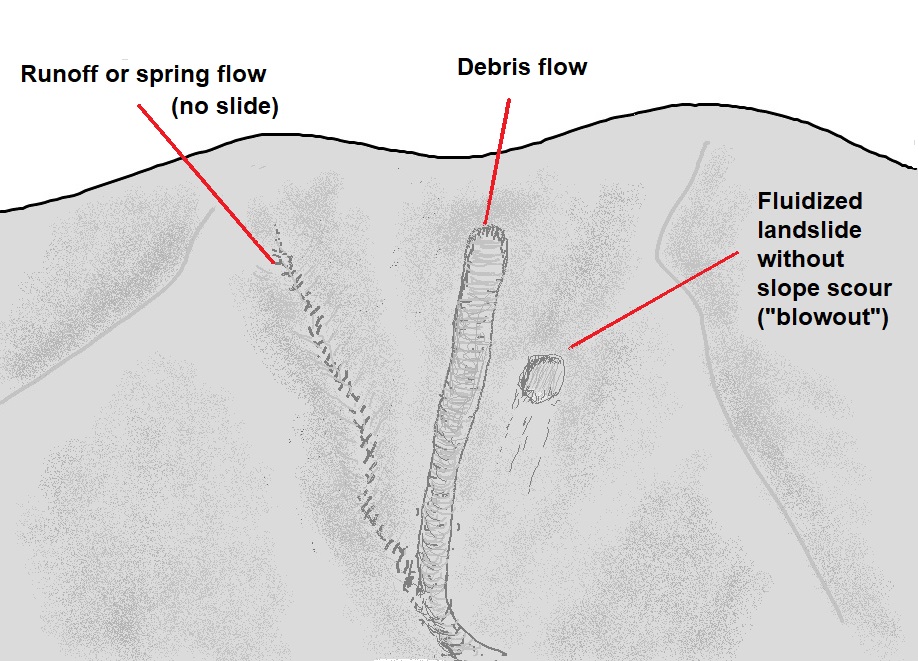
Within the grayscale world of lidar-derived hillshade imagery, debris flow scars can be distinguished from small, water-carved channels due to the effects of the initial sliding and subsequent scouring processes. Fluidized landslides similar to debris flows, but without the long, scoured track (referred to as “blowouts”), also produce distinct scars. The sketch below offers a basic summary of what you’re after as you peruse lidar imagery.

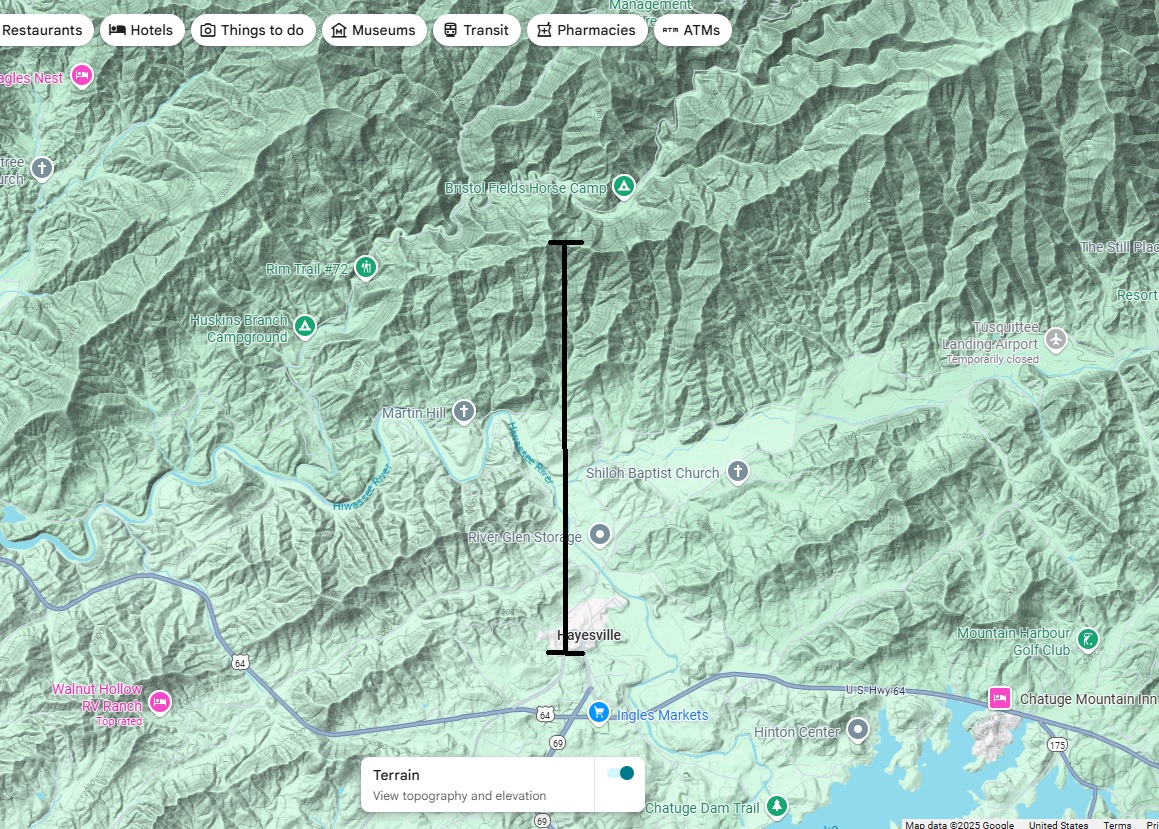
So, with this knowledge in mind, it’s time to take a look at Fires Creek Mountain. Clingman’s geography and distance estimates are always excellent, so I drew a line four miles due north from the Fort Hembree historical marker’s general area. The line met the top of Fires Creek Mountain at about 3.9 miles in a debris flow-susceptible area…not bad. The lidar imagery does the rest.

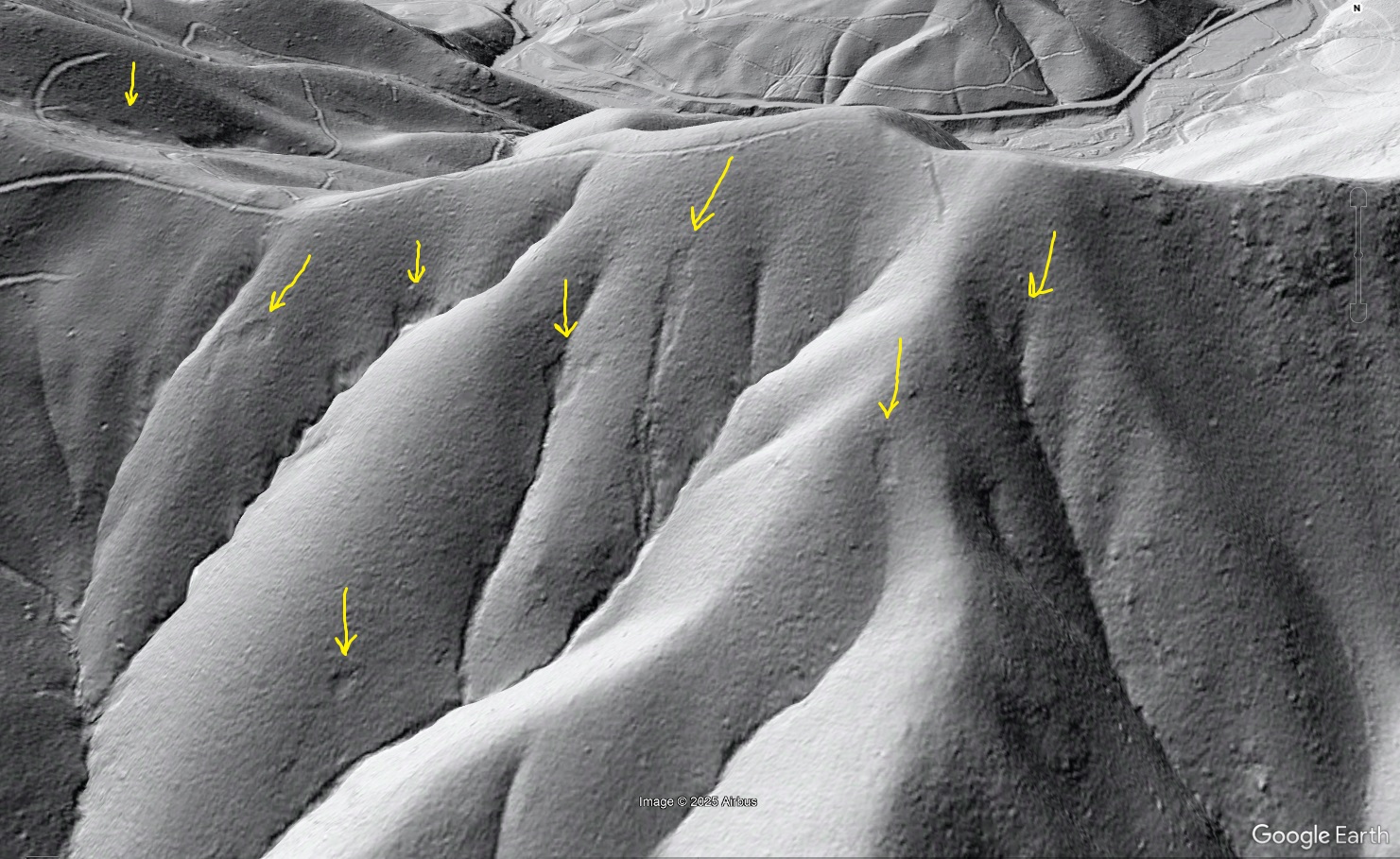
There are indeed an impressive number of debris flow scars on Fires Creek Mountain at the top end of the black line, exactly where they should be. Their appearance is unmistakable, and they distinctly cluster within a limited area as Clingman notes in his report. Yellow arrows point them out below; many more are visible in the zoomed-out view that follows. They aren’t labeled in the large view–see how many you can find.

The scars are well-preserved and look like the 1977 scars, though a bit worse for wear after 180 years.

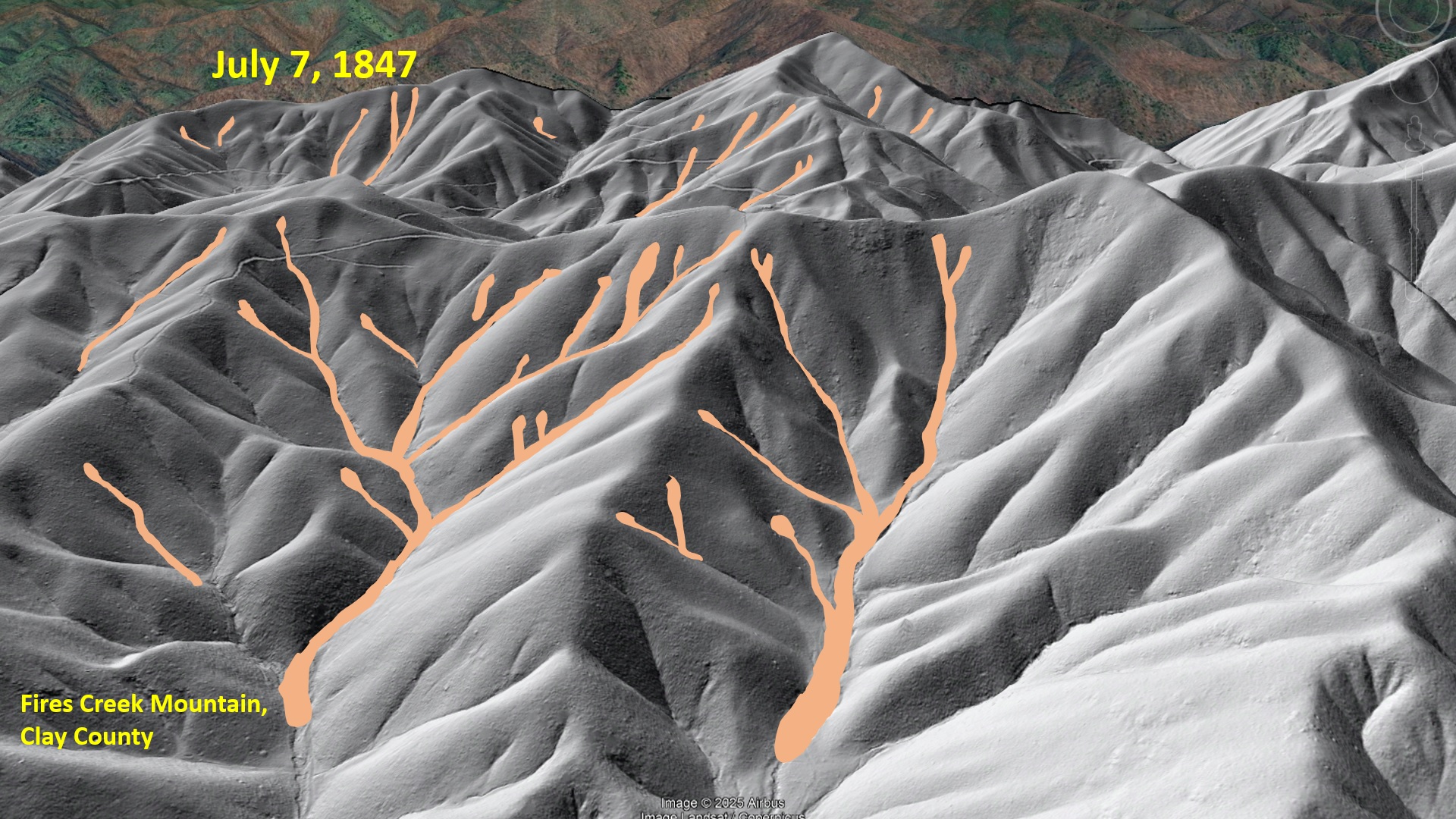
This 1847 storm was likely an isolated storm “stuck” on the mountain ridges, given the limited size of the most intense debris flow activity. Clingman references observers in the valley below watching the storm on the mountain but not experiencing the intense precipitation themselves. Had this storm happened today (or in the era of easy photography, particularly aerial photography), it would have been intensely documented and firmly cemented in local lore. Today, it might make international headlines, particularly if someone caught a video of one of the debris flows reaching the valleys. How readily visible the debris flows and blowouts were from the valley below in 1847 is hard to know, but it was obviously eye-catching enough to have attracted attention and investigation from locals at the time. The images below show brown outlines over the visible features.

Extreme storms are likely to become more common in a warming atmosphere, but they’ve always been a part of the southern Appalachians. Helene’s impacts were exceedingly widespread, but more localized–and more intense–storms have happened in the past and will continue to happen in the future. It’s worthwhile to look back on these events and their impacts as a reminder that all sorts of things can happen in our region when conditions are right.